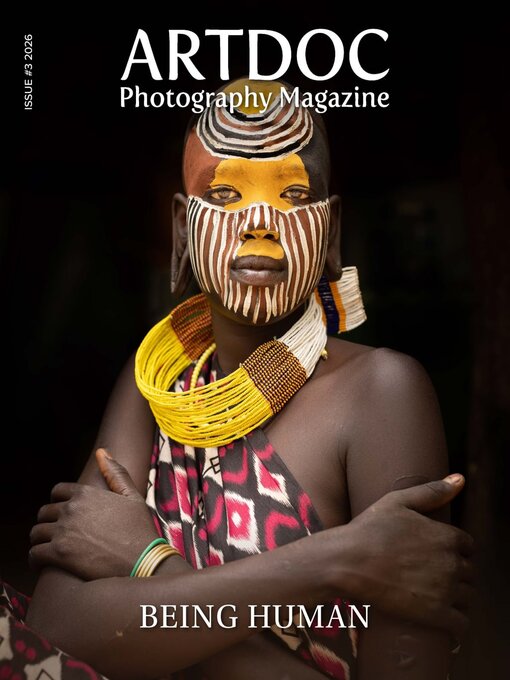
 Issue #3 2026
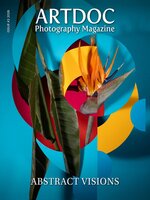 Issue #2 2026
 #1 2026
 #6 2025
 #5 2025
 #4 2025
 #3 2025
 #2 2025
 #1 2025
 #6 2024
 #5 2024
 #4 2024
 #3 2024
 #2 2024
 #1 2024
 # 6 2023
 #5 2023
 #4 2023
 #3 2023
 #2 2023
 #1 2023
 #5 2022
 #6 2022
Artdoc is an international digital magazine dedicated to the world of photography. The name Artdoc refers to our vision of art photography and documentary photography. The two fields have merged, and contemporary photography is a blend of both. Artdoc brings photography as the visual storytelling medium of our time. Artdoc Photography Magazine publishes engaging and high-quality portfolios of established and emerging photographers. Moreover, Artdoc publishes critical essays about the theory of photography.
The Human Family
Waste Pickers of Phnom Penh • Steff Gruber's Dignity and Identity: Waste Pickers of Phnom Penh portrays the lives of workers who recover recyclable materials from one of Cambodia's largest landfills. Using a direct documentary style, it explores themes of labour, migration, poverty, and social exclusion amid rapid urban expansion. Gruber's photographs showcase the resilience and self-reliance of individuals working in hazardous conditions, while also shining a light on often-overlooked communities. The project thoughtfully reflects on issues of dignity, survival, and recognition at society's margins.
Faces of the Strip District
Tibet Between Past and Present • Larry Snider has dedicated thirty years to travelling in Tibet, aiming to document cultures that are gradually disappearing. Using natural light and without a fixed message, he captures everyday people—focusing on their faces, rituals, and routines—in communities that have been transformed by modern influences yet remain rooted in traditional ways. His photography serves as a form of witness: attentive, unobtrusive, and deeply respectful of those he photographs. “I try to photograph ordinary people. I'm drawn to them because their modest lives have a simple beauty.”
The Documentary Portrait as a Way to Tell Stories • The portrait genre serves various purposes beyond just glorifying individuals, uncovering hidden stories, or traditional poses. It can also be used in a documentary setting, where the subject represents a sociological group under study. In this context, the individual exceeds their personal narrative to become part of the social theme explored by the photographic project. The documentary portrait acts as a critical approach. While its use grew throughout the 20th century, it only fully established itself as an independent form in the 21st century.
Everyday Humanity in Southeast Asia • Simone Marchetti's S.E.A. captures insights from months of travelling throughout Southeast Asia, highlighting the universal experiences that unite people across different cultures and borders. Using careful documentary photography of everyday life, the series examines themes such as labour, family, resilience, and belonging. Marchetti engages with each subject with empathy and respect, showcasing the dignity present in everyday moments. The work thoughtfully reflects on shared human qualities, identifying connections amidst the region's vibrant diversity.
Stories in Light Brazil
Documents of Our Shared Humankind • The Dalai Lama once said that all people in the world strive to pursue happiness. While we are all equal in this pursuit, our civilisations shape the ways we express ourselves. Humanity is a single species, yet it shows itself in many forms. To truly understand people from diverse cultures, we must observe them in their own environments and customs. This inspires Italian photographer Roberto Pazzi to travel extensively to remote tribes. As he states, he does not see these communities as distant or unchanging; rather, he highlights their resilience and the richness of their traditions. These cultures represent identities that add to our collective human heritage, our humankind.
People and Place • Highlights of Artdoc Exhibitions
How to Tell Stories Through Documentary Portraits • A documentary portrait is a photograph of...